Darveen RTC-I101 Rugged Tablet Enables Reliable HMI for Smart Logistics Robotics
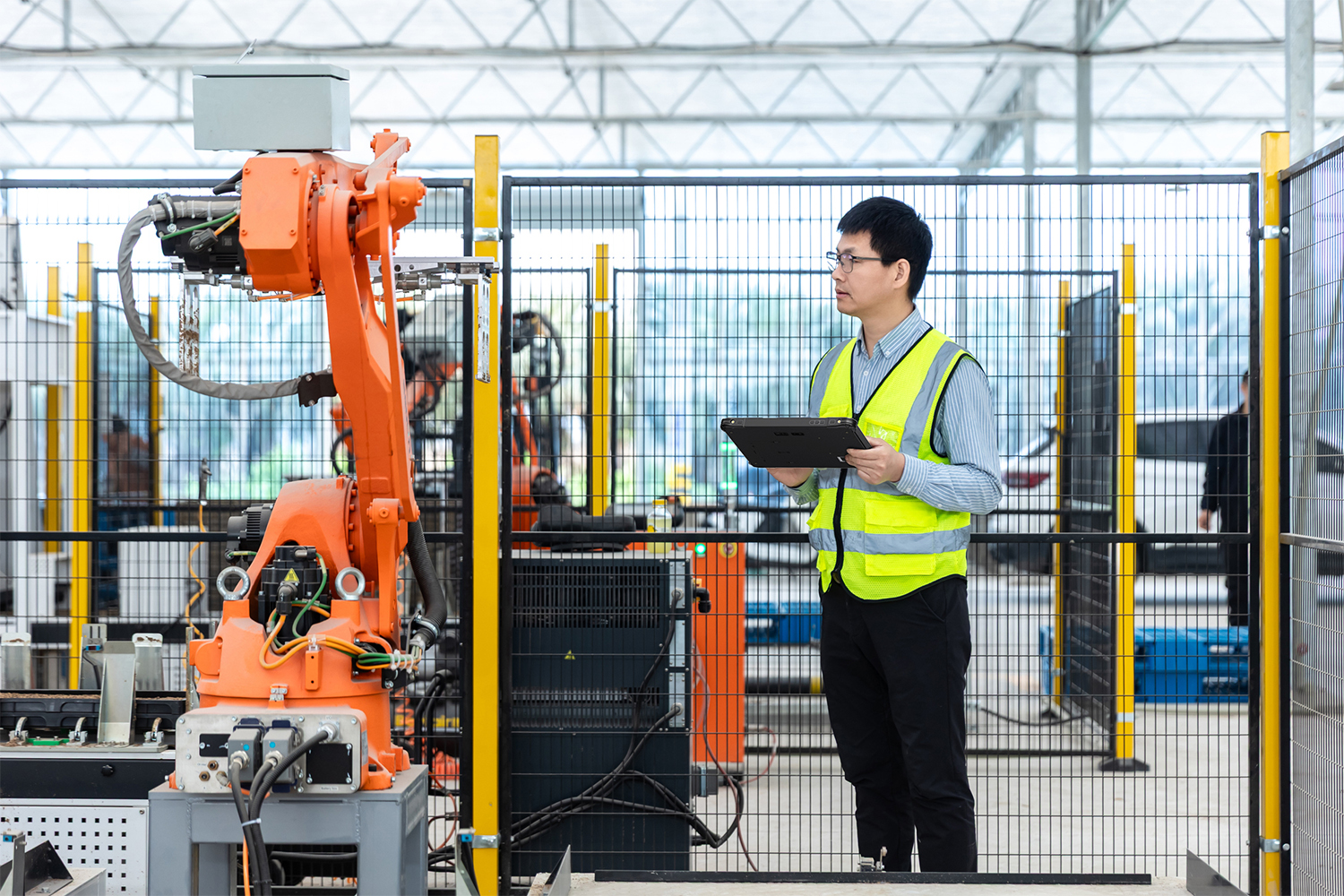
With the rapid growth of e-commerce, industrial automation, rising labor costs, and increasing emphasis on occupational safety regulations, logistics robotics has become a critical foundation of modern smart logistics and smart manufacturing ecosystems. The industry is entering a phase of accelerated global expansion and rapid growth.
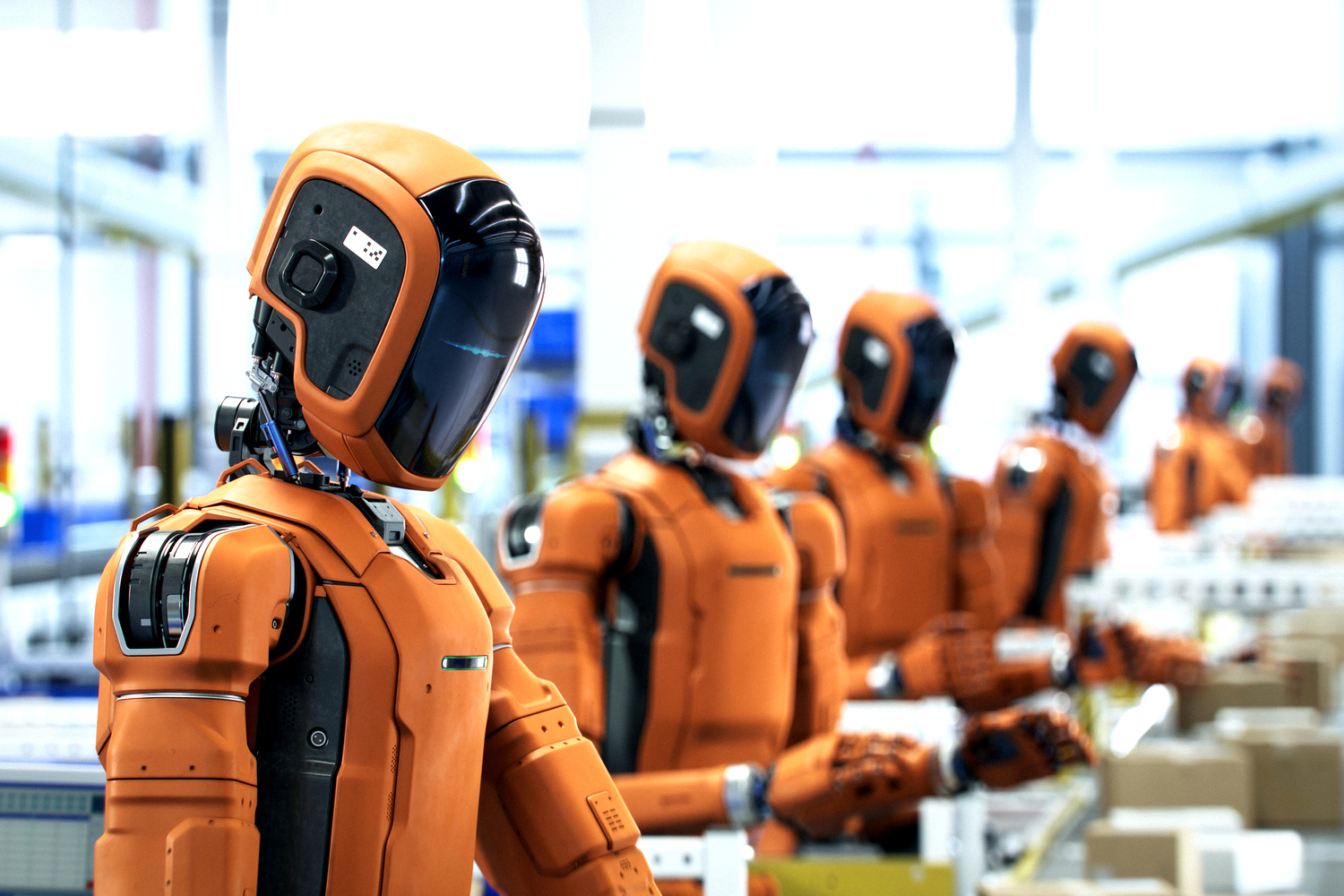
Autonomous Mobile Robots (AMRs), automated sorting systems, and warehouse loading/unloading robots robots are evolving from standalone automation equipment into large-scale, AI-driven collaborative robot ecosystems. These systems are now widely deployed in e-commerce fulfillment centers, logistics hubs, and manufacturing facilities, working safely alongside human operators to reduce costs and improve supply chain operational efficiency.
Customer Background
Darveen’s customer is a pioneer in industrial logistics robotics innovation, specializing in applying 3D perception, motion control, and intelligent technologies to robotic logistics systems. The company delivers integrated automation solutions covering loading/unloading operations, picking, and end-to-end logistics workflows.
Application
Within automated logistics environments, the customer requires a rugged tablet to serve as the primary Human-Machine Interface (HMI) for robotic control and interaction.
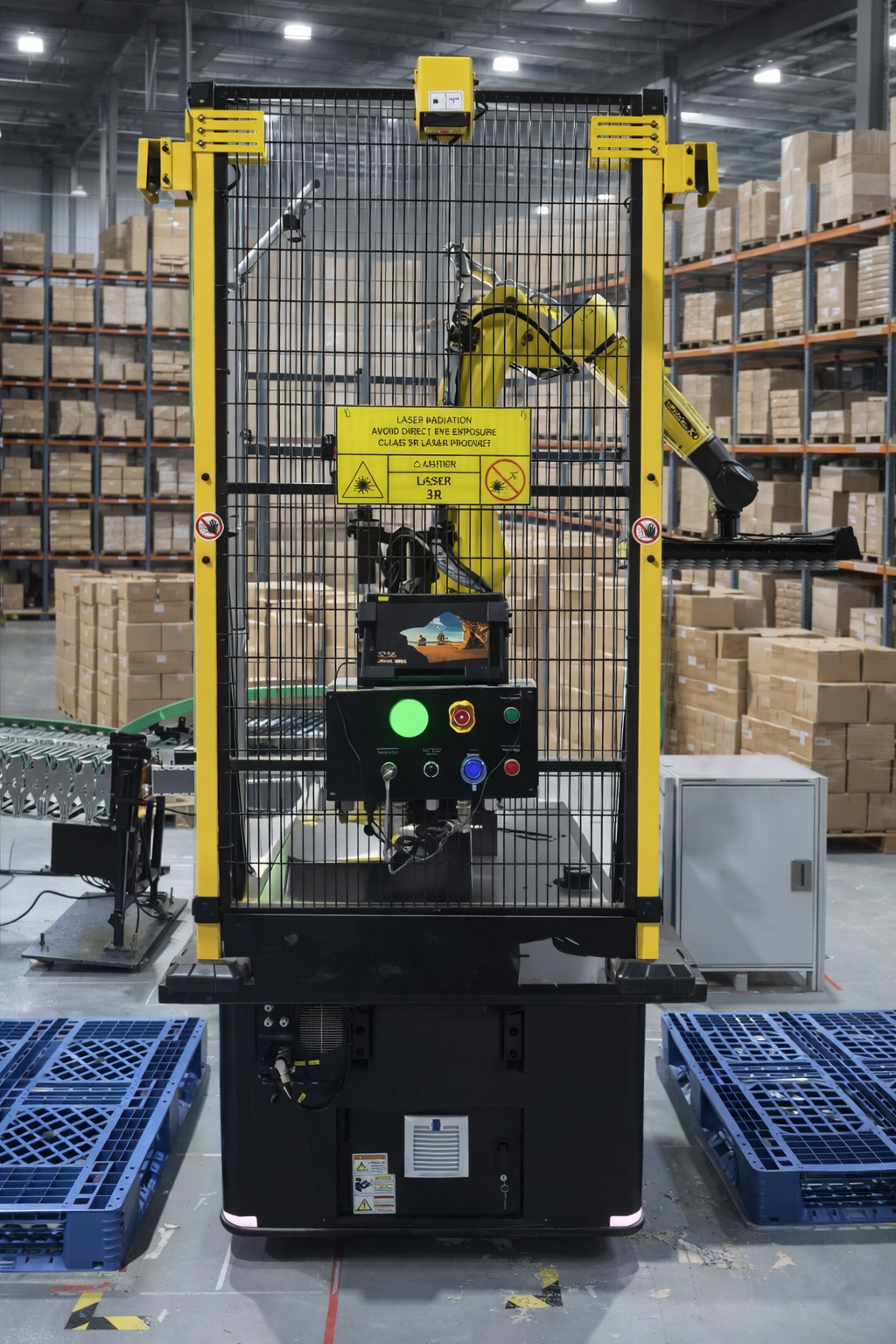
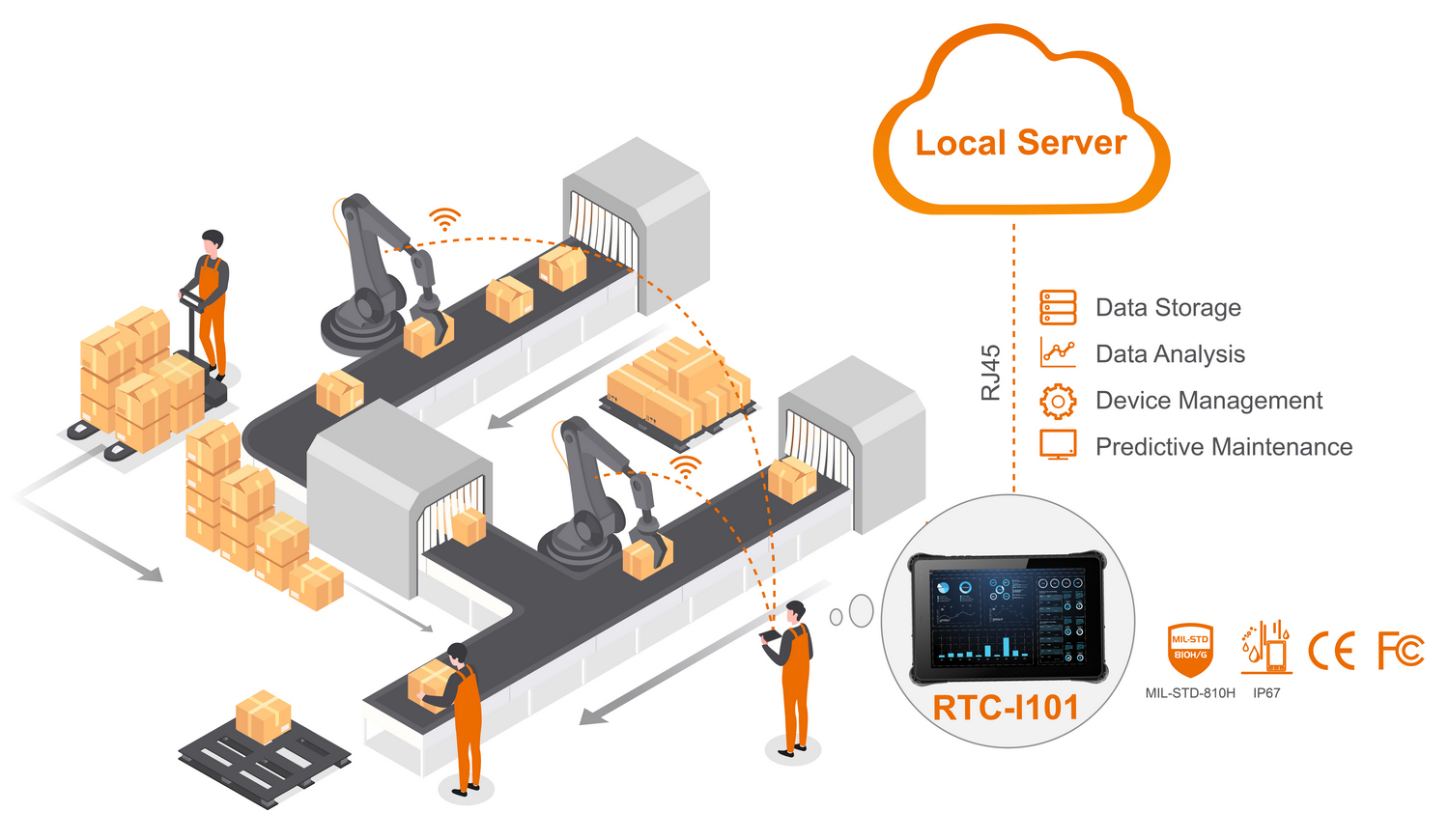
In handheld mode, warehouse operators use the rugged tablet to monitor real-time robot status, execute control commands, and manage picking and loading operations directly on-site. This enables fast decision-making and precise human-robot collaboration in dynamic logistics environments.
When docked or mounted, the tablet is installed on robotic or mechanical systems as a continuous data acquisition and communication terminal. It collects operational data and transmits it to cloud or backend systems for analysis, optimization, and data management, enabling condition monitoring and predictive maintenance.
Through RJ45 wired Ethernet connectivity, the system ensures stable communication between warehouse infrastructure and robotic systems, while wireless connectivity enables real-time coordination between operators and multiple robots for task execution.
Challenges
In real-world deployment, operators rely heavily on rugged tablets for robot monitoring, command execution, and data reporting. However, traditional consumer-grade tablets present several limitations in harsh industrial environments:
● Frequent accidental drops leading to screen damage, higher failure rates, and increased maintenance costs
● Lack of essential industrial interfaces such as RJ45 Ethernet, resulting in unstable connectivity and unreliable data transmission
● Insufficient industrial certifications, limiting deployment in global industrial environments
● Poor durability under dust, vibration, and high-frequency warehouse operations
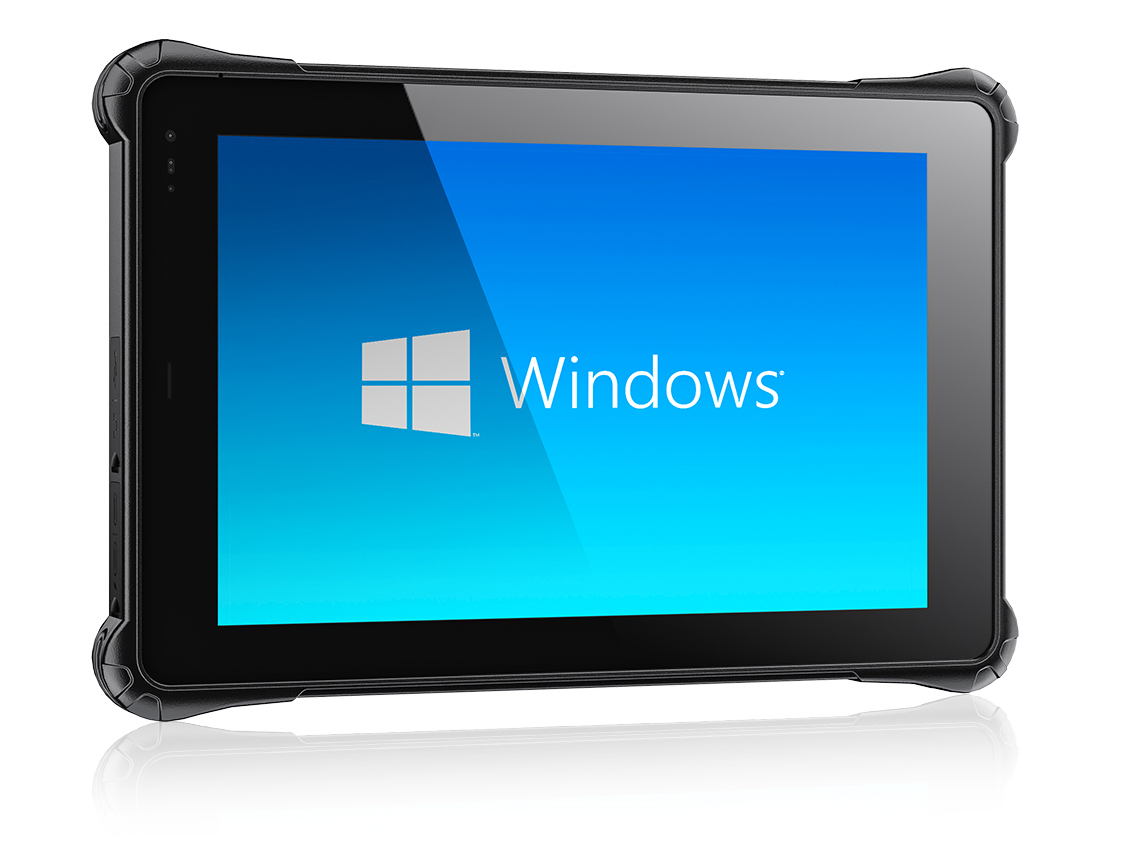
Solution: RTC-I101 Rugged Tablet
To address these challenges, the customer deployed the Darveen RTC-I101 Rugged Tablet as a unified HMI platform for logistics robotics operations.
Key Features of RTC-I101:
● Industrial-grade rugged design
The RTC-I101 is IP67-rated, supports 1.2 m drop resistance, and is certified to MIL-STD-810H standards, ensuring reliable operation in high-dust and high-vibration warehouse environments.
● Rich I/O and RJ45 Ethernet connectivity
Built-in RJ45 Ethernet port, combined with RS232 and USB interfaces, enables stable LAN communication and reliable backend data transmission.
● Global certification compliance
Certified with CE, FCC, TELEC, IP67, and MIL-STD-810H, supporting faster global deployment and simplified multi-region compliance.
● Lightweight and efficient computing platform
Powered by an Intel® Celeron® N5100 processor with a 10.1-inch industrial-grade touchscreen and Windows OS support, enabling seamless integration with customer-developed robotics control software.
● Dual-mode operation
Supports both handheld real-time control and fixed mounting on robotic systems for continuous data acquisition and monitoring.
Results & Business Impact
The adoption of the Darveen RTC-I101 significantly reduced overall maintenance costs, enabling operators to monitor robot status in real time, issue motion control commands, and maintain stable data transmission via RJ45 wired connectivity.
With CE, FCC, IP67, and MIL-STD-810H certifications, it also accelerated global deployment, reduced compliance risks, and supported scalable expansion of logistics robotics operations worldwide.